

Editorials (486)
Kassioun Editorial 1298: Anger Is Escalating, And We Are Before Two Choices!
kassioun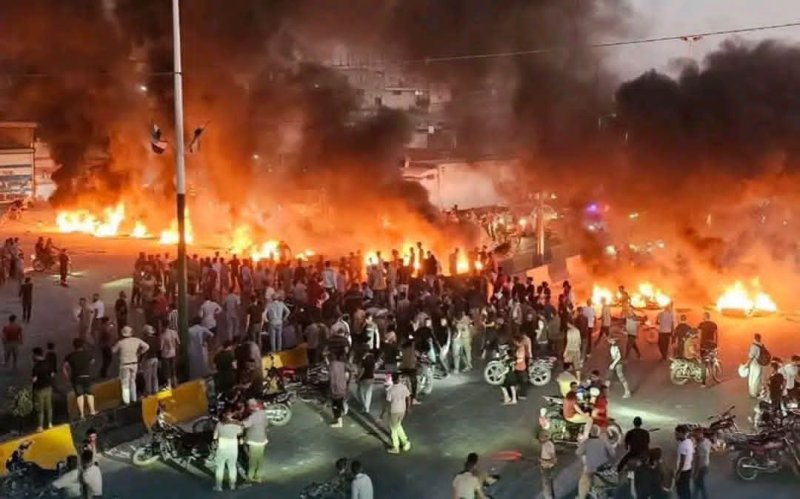
Anyone who underestimates the growing popular anger, day after day, is doing a great disservice to themselves, to the country, and to its people. This anger is a direct result of the deteriorating living and economic conditions—which continue to worsen at an accelerating pace—and of the “shock” economic measures being pursued, which follow the formulas of the IMF and the World Bank in eliminating any social role for the state apparatus and lifting subsidies of various sectors under the pretext of attracting investment and getting rid of “administrative inefficiency” and “corruption”.
The popular protest movement in Syria continues to gain momentum week after week, and day after day. It displays several clear and positive characteristics, foremost among them:
Kassioun Editorial 1296: The Latent Power of Syrian Patriotism
kassioun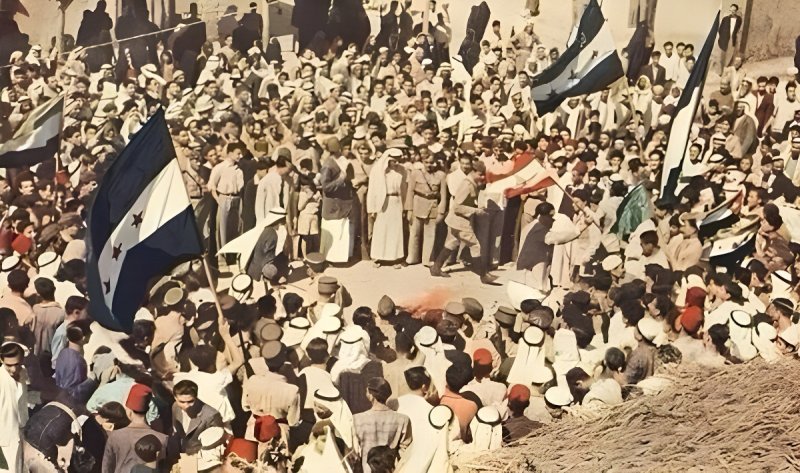
Over the course of the war—and, before that, through decades of corruption and exploitation of slogans—Syrian national identity has been deeply abused, distorted, and undermined. At the same time, external forces, foremost among them “Israel”, have used every means at their disposal to weaken and ultimately destroy that identity.
Kassioun Editorial 1295: Fuel Price Hikes Are New Fuel for Social Explosion
kassioun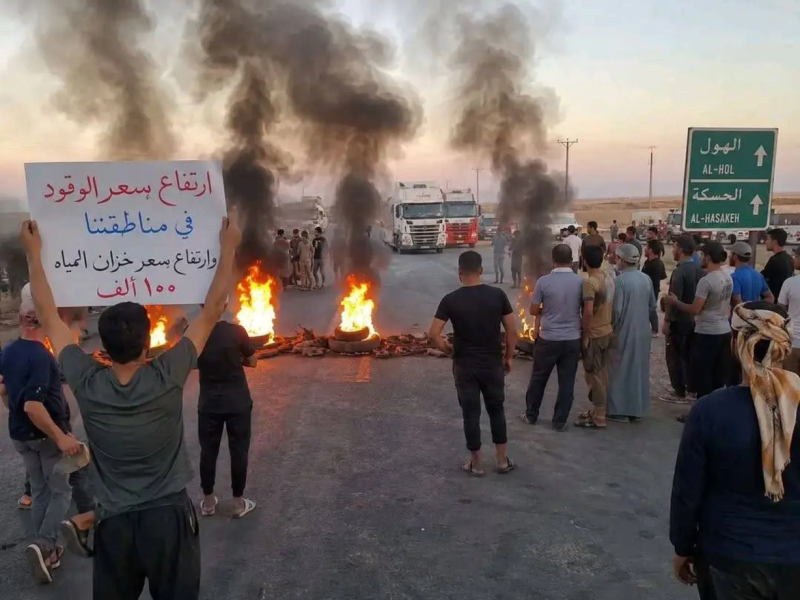
Mere hours after the government raised fuel prices by rates reaching approximately 40%, the effects of the decision began to appear immediately in the markets—including a rise in prices of goods and services, an increase in the dollar exchange rate in the parallel market, and protests and road blockages in several areas. The government justified its decision by citing the global rise in oil and energy prices due to the regional war and closure of the Strait of Hormuz, as well as Syria’s need to finance the import of roughly two-thirds of its oil requirements.
Kassioun Editorial 1294: Stop Assad’s Legacy in the Expropriation Issue!
kassioun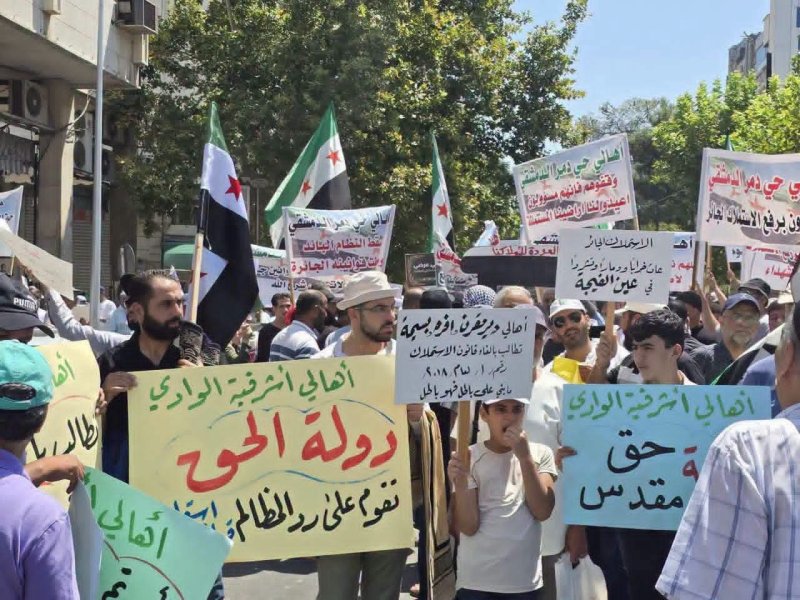
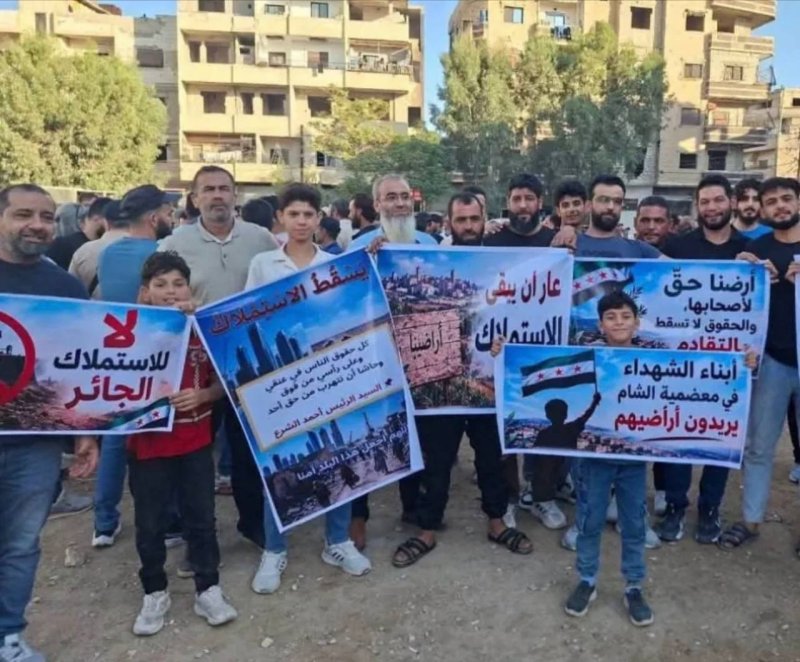
Popular protests against expropriations are no longer confined to one or two areas. They have recently begun to expand geographically, moving from scattered protests toward a broader state of organized popular opposition. More important than the expansion of their geographical reach is the fact that the protesters themselves have become better able to organize, coordinate, and unify their demands. The issue of expropriations, which successive authorities have attempted to treat as merely a set of “legal issues”, has once again revealed itself for what it truly is: a socioeconomic and political issue affecting the rights of hundreds of thousands of Syrians.
Kassioun Editorial 1293: “Integration” – A Step Forward That Must Be Completed
kassioun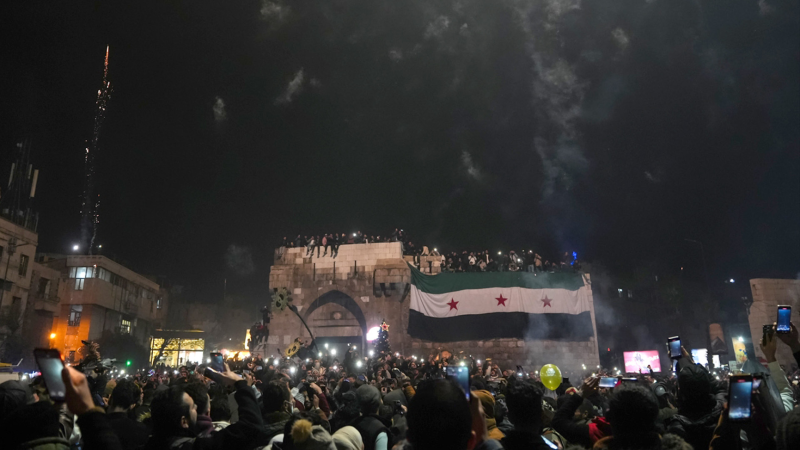
The past few days have witnessed an important development in the process that began with the March 10, 2025 agreement between the Syrian authorities in Damascus and the Syrian Democratic Forces (SDF).
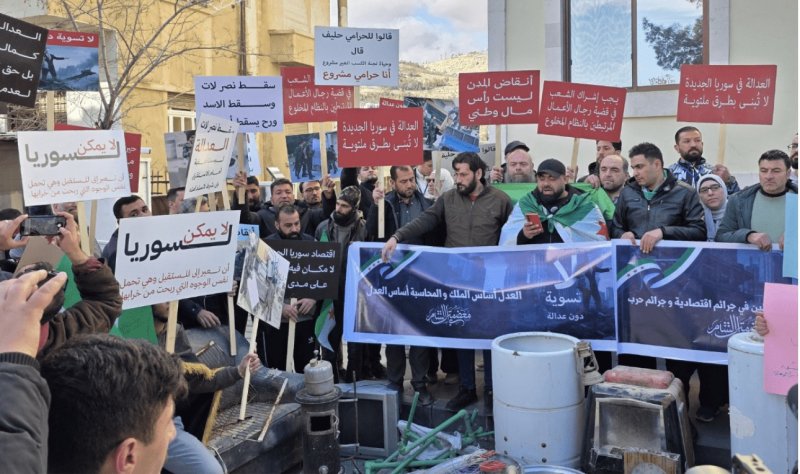
A campaign that recently began against one of the leading corruption figures of the former regime has attracted a significant degree of sympathy and solidarity from broad segments of Syrians. It has drawn attention not only to the targeted individual, but also to a broader phenomenon concerning the system of grand corruption as a whole—both old and new—and the extent to which it affects the possibility of the country emerging from its deep crisis.
Kassioun Editorial 1290: “The Mecca Alliance” And the New Regional Order
kassioun
These days, the Western media machine, particularly its Zionist wing, is attempting to weave all kinds of myths around the new alliance among Saudi Arabia, Pakistan, and Turkey, whose treaty was signed on Friday, 7 August 2026, in Mecca.
Kassioun Editorial 1289: How Should the Protest Movement Be Engaged?!
kassioun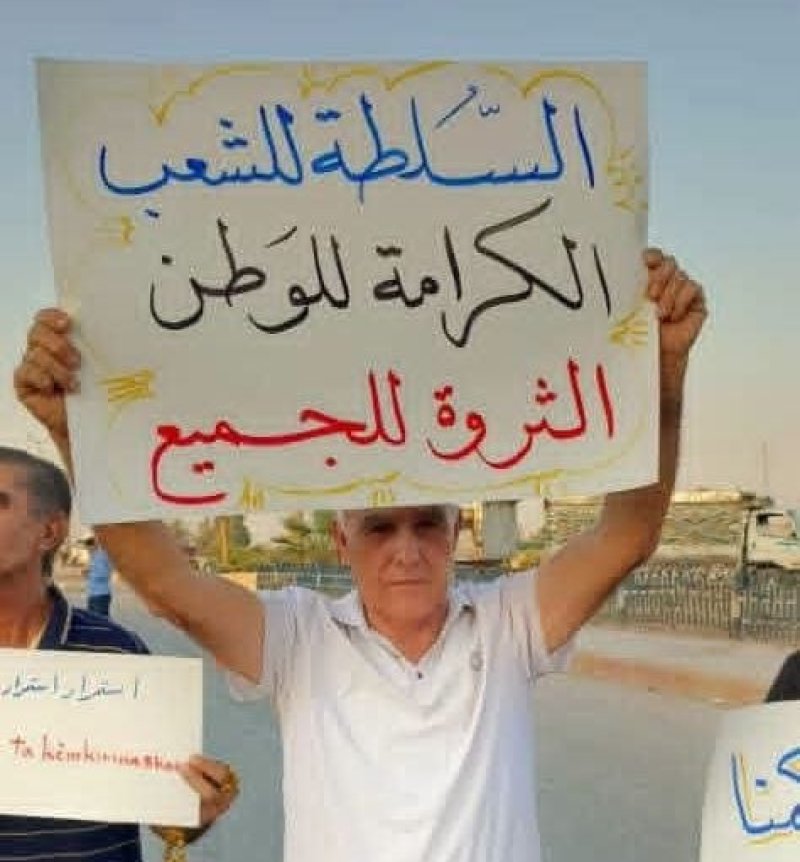
Kassioun has documented more than 250 protest actions—sit-ins, strikes, demonstrations, and others—over the past three months. These took place in nearly all Syrian governorates and were overwhelmingly driven by socioeconomic demands directly connected to Syrians’ living conditions and the hardships they face.
Kassioun Editorial 1288: What is the significance of Guterres’s visit?
kassioun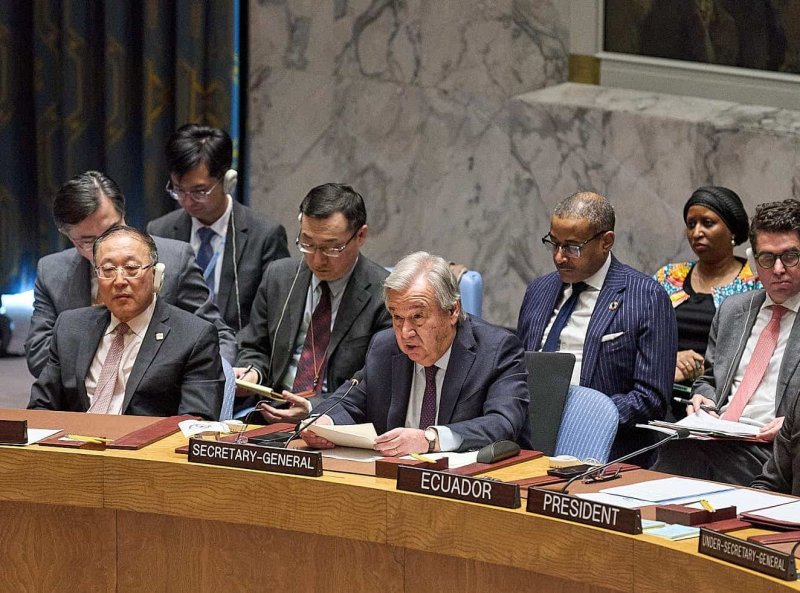
The visit by UN Secretary-General, António Guterres, to Syria, which began on Saturday, 25 July 2026, carries particular significance in terms of both its timing and its implications.
More...
Kassioun Editorial 1287: The Electoral System is The Cornerstone
kassioun
With the first session of the new “People’s Assembly” now convened, it has become both urgent and necessary to start thinking about the next People’s Assembly: its actual role and functions, and the legal and political environment within which it will be elected. That environment will determine, to a large extent, its ability to carry out those roles and responsibilities.
Kassioun Editorial 1286: What Comes After the Bombings and the Fuel Crisis?
kassioun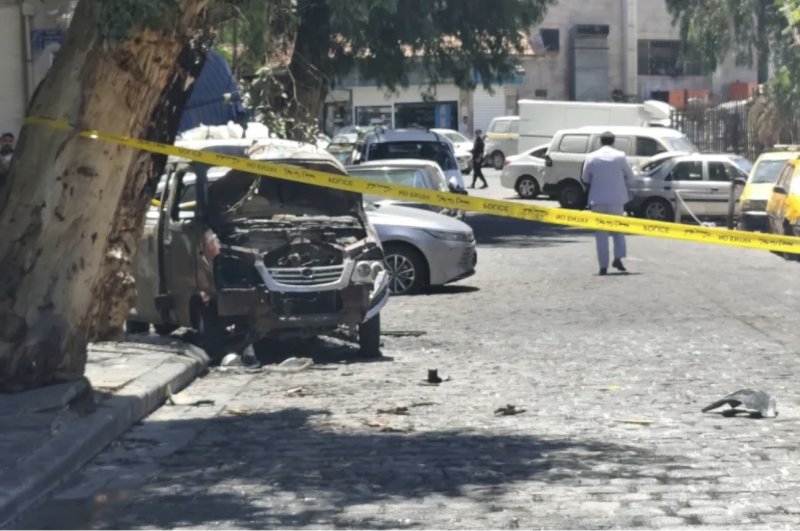
Some are attempting to downplay what has taken place over the past two weeks, whether regarding the bombings, the gasoline crisis, or the many other scattered economic, security, and political incidents.
Kassioun Editorial 1285: What Is Needed: Emergency Solutions!
kassioun
“After the fall of the former regime, the level of satisfaction with the new situation was higher than the level of dissatisfaction and concern regarding the country’s economic and social conditions. However, one year after the regime’s fall, dissatisfaction with the domestic situation began to increase. The real danger will arise when the level of dissatisfaction exceeds the level of satisfaction over the fall of the previous regime. The degree of public dissatisfaction with living conditions is steadily rising. While this dissatisfaction reflects a certain level of resentment, that resentment has now reached a level of social mobilization”.
Kassioun Editorial 1284: Where To… Internationally, Regionally, and Domestically?
kassioun
The fate of Syria—as a people, a state, and as political forces in different places—depends on what we do in the coming weeks and months, and on how quickly we act. It also depends on the rapidly unfolding international and regional developments. These are major and turbulent transformations that must be understood well, and we must act based on that understanding.