

Articles (322)
The Palestinian Cause and Apartheid… How to Benefit from the Classification Without Falling into a Trap
Reem Issa – Saad Saeb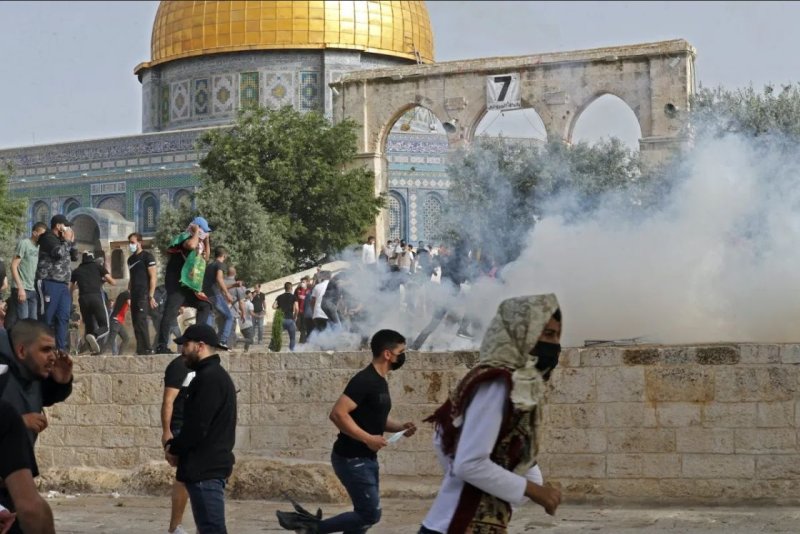
As events unfold in Palestine and the Occupied Palestinian Territories, with a vicious violent escalation by the Zionist enemy especially in Gaza, but also inside the Green Line targeting the Palestinians living in the 1948 Occupied Territories, it is becoming much harder for the world to hide behind its finger.
Gold, the Dollar, and Food; along Ten Years between Foreign Policy and Internal Policies.
Ashtar Mahmood
Ten years and our crisis is still ongoing, and the deterioration of the value of the Syrian pound that we see in the increase of the level of prices is its most prominent economic epitome, as it reflects the overall economic, social and political deterioration as well. This insane high rocketing in prices means that poverty is practically reaching more than 85% of Syrians, and also hunger reaching nearly two-thirds of Syrians across the country. It is also an expression of mega-rich people's protection of their wealth through their commodities that preserve their value, most notably: the dollar and gold.
The Zionist is “Sugar-Coating the Pill”; Regarding Sheikh Jarrah and Other Dimensions
Mohannad Dlykan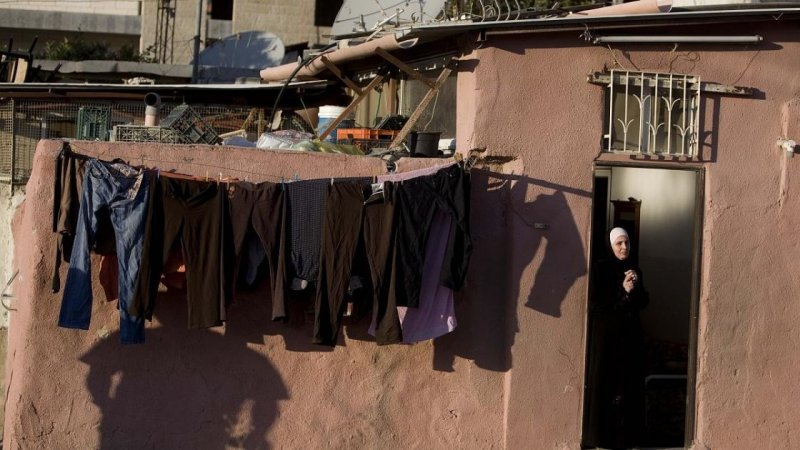
The Palestinian struggle continues to escalate in Jerusalem, and in the Sheikh Jarrah neighborhood in particular, against the forced displacement, settlement, and Judaization operations taking place against Palestine as a whole and primarily against Jerusalem.
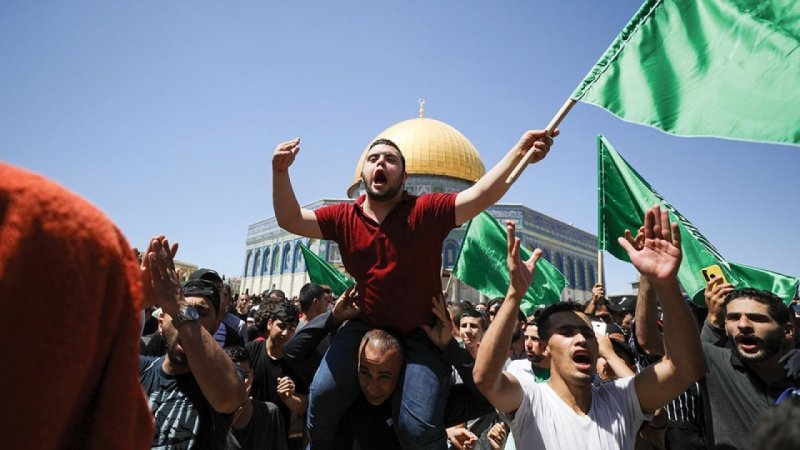
There is no argument that the Palestinian people’s struggle has always been a beacon for all those walking on the paths of freedom and fighting injustice in its local and global dimensions. This struggle is a source of strength and pride for anyone who stands in the face of injustice in any part of the world.
What is Expected of the Putin-Biden Summit? Generally, and in the Syrian Issue
Saad Saeb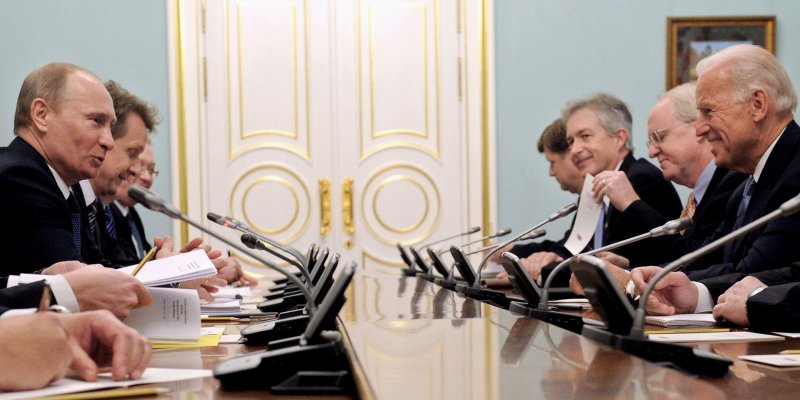
Numerous readings and analyses have started to abundantly appear, about the Putin-Biden summit, which may be held sometime next month. The fact is that many details about this summit are still unknown, including the venue (which was said to be a third country, meaning neither in Russia nor the US), its date (next month is an approximate timeframe that has been indicated without specifying a specific day), and perhaps the most important unknown detail about this summit is whether or not it will actually happen.
More than two years ago, the US declared the defeat of ISIS in Syria, then in October 2019 ISIS leader Baghdadi was reportedly killed during a US special operation in Idlib. Since then, every once in a while, some ISIS activity is reported in the news at a frequency sufficient to prevent ISIS from being completely forgotten and just enough to keep it “on the map”.
The Energy Crisis is unsolvable; Securing the Quarter at Best.
Ashtar Mahmood
The Energy crisis is the epitome of all current crises, as it practically reflects the crisis of the Syrian pound and the inability of the funds available in the national currency to secure the needs of importing the mainstay of production, which is represented in oil. It also reflects the crisis of the decline in the economic and social role of the state apparatus and its inability to secure the basics, in addition to the state of production paralysis affecting the country. The worst, is that all the current indications show that the energy crisis cannot be seriously solved with such resources and such performance.
Traditionally, metaphorical simplifications have been used to present or discuss international conflicts; like comparing it to a “cards game” or a “grand chessboard” -- on the board, a knight can be sacrificed to protect the queen, or the queen can itself be sacrificed to protect the king or to capture the opponent’s king, and the function of one of the rooks can eventually turn into a mere protector of a pawn that is moving speedily towards getting promoted to a queen, and so on.
2254: No Longer Only a Tool to Overcome the Crisis, but also One of the Two Conditions to Achieve the “New Independence”
Reem Issa & Saad Saeb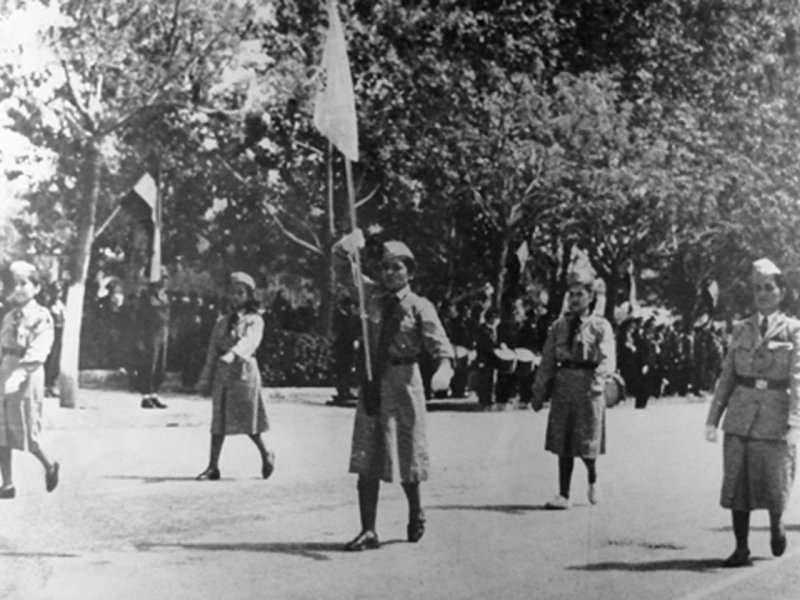
On 17 April of every year, we commemorate the anniversary of Evacuation Day, which witnessed the exit of the last of the French occupier’s troops from our homeland. That came as a result of decades of fighting, struggle, and sacrifice by our forefathers and behind them the patriotic Syrians who refused to live under the occupation. It is also no coincidence that the end of the occupation came at a turning point in history, in which a new international balance replaced an old one.
Syria’s Independence and the Tale of First Security Council Veto
Salma Abdullah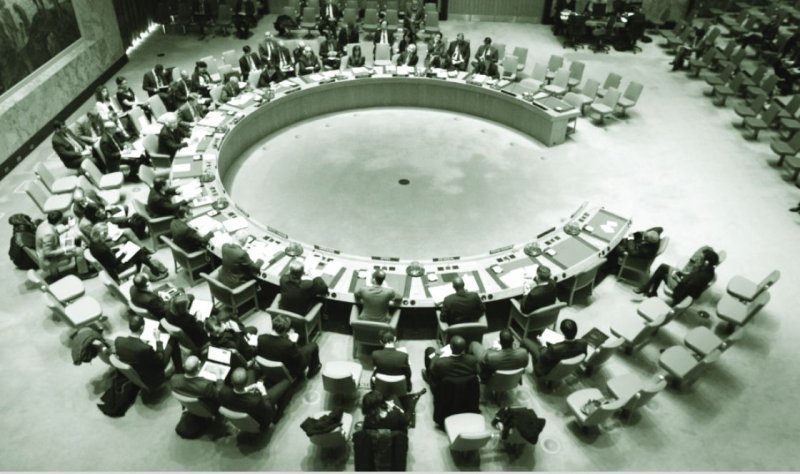
The UN officially took off on October 24, 1945 when the five permanent members of the Security Council -- China, France, UK, USA, and USSR -- in addition to the majority of the other 46 then signatory members ratified the UN Charter. The Security Council met for the first time on January 17, 1946 in London. Less than a month later, the Security Council held meetings spanning 3 days, 14-16 February 1946, during which the issue on the table was “The Syrian and Lebanese Question”. It was then that the veto was used for the first time, by the USSR, in supporting the case made by Syria and Lebanon for the withdrawal of British and French troops remaining on their territories.
More...
“A Wasted Decade” ; Life Events of the Syrian Youth and the Future Losses.
kassioun
Ten years have passed since the Syrian crisis; a whole decade whose effects will not be over in one more decade even if the war has ended and the losses have stopped from today! Economic losses continue, and social losses, despite being difficult to be measured, some of their indicators say that the greatest losses are in the wide social effects that will continue to appear in the future. While the situation of the youth and children today is difficult and dim, their future burdens will be greater, as they will pay twice the price!
Female Fertility Rates in Syria: A Slight Improvement; Long Wars and Future Losses.
Written by عشتار محمود
It is usually said that major wars are followed by natural compensation for human losses, and that societies experience a mutation of population growth after war. This was what Europe and the United States have experienced after both World Wars, but great wars that break out and end then get followed by a successful and large reconstruction phase may allow for such compensation! However, continuous wars such as those in our region, which have not yet experienced a safe exit for decades, prevent even the natural compensation mechanisms, hence, generations continue to lose maternal and paternal rights and society loses its future.
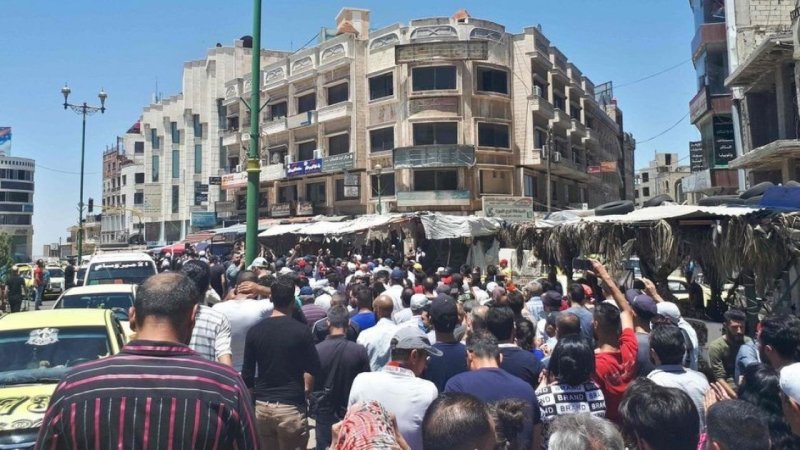
In the context of political application, Marxism always insists on the inextricable interdependence of three aspects: the national, the economic-social, and the democratic. It says that there is no separation among these aspects in any way.
The Syrian Pound is Collapsing on the Scale of Food Prices more than on the Scale of the Dollar!
Ashtar Mahmood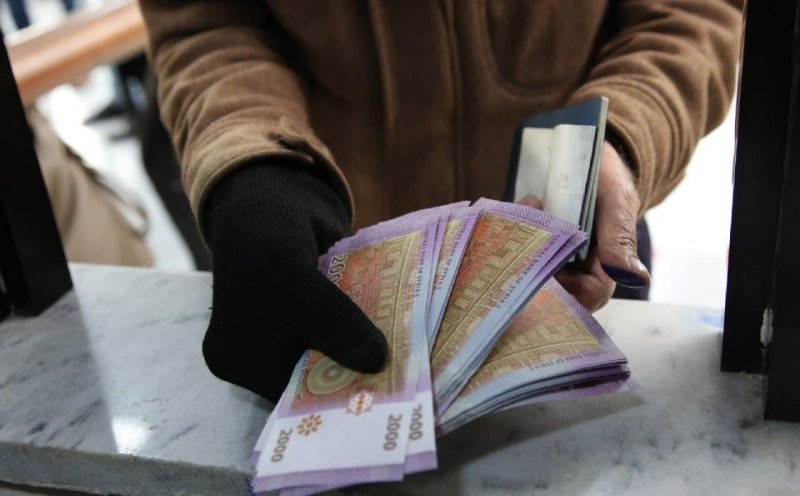
It does not matter what is the dollar figure in exchange for the Syrian pound. The most important thing today in light of the expanding hunger is the Syrian pound figure in exchange for food. The collapse of the Syrian pound on this scale is the highest and the most dangerous, and food prices are skyrocketing at rates that exceed the price of the dollar. The issue is no longer related to import and the price of the dollar directly, as much as it is related to the (heart attack) that the Syrian economy is suffering from, which some of its officials are still saying that (the indicators are good) but (the problem is with speculators)!