

Articles (322)
A Week of the Student Protest Movement in the US: Its Main Features and Demands, and its Promised Prospects
Written by Kassioun Research Unit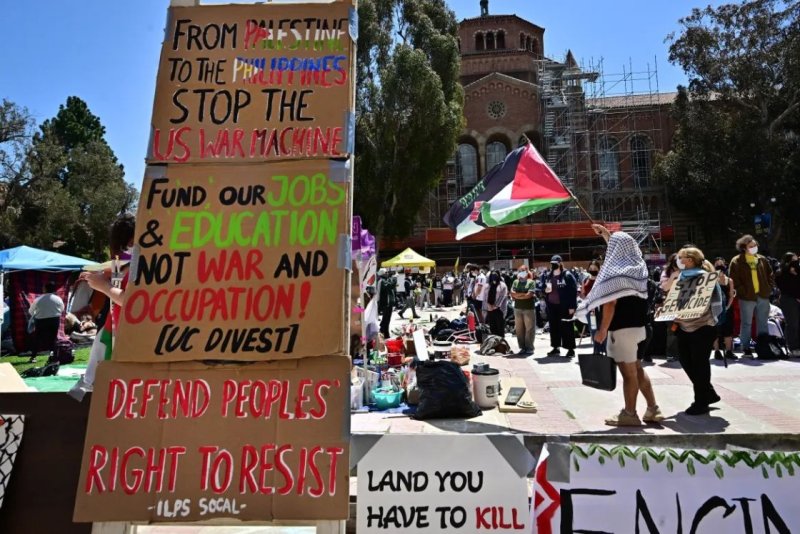
It has been more than a week since the pro-Palestine student protests started in US universities, and they continue to expand and escalate. The protests that began at Columbia University have so far spread to more than 60 universities across the US, with tens of thousands of university students and teaching and administrative staff participating.
A Preliminary Reading into the Dimensions, Meanings, and Consequences of the Iranian Strike Targeting the Zionist Entity
Written by Kassioun Research Unit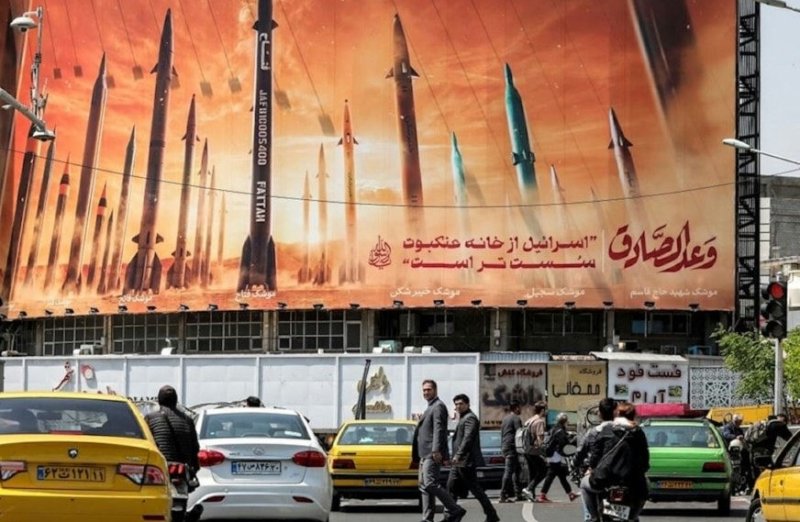
The spectrum of opinions and comments on the April 14 Iranian attack on the Zionist entity extends between the two extremes of the spectrum. These comments include those who try to ridicule the attack and those who exaggerate its assessment. This disparity is not strange, as the extent of polarization locally, regionally, and internationally has reached unprecedented peaks it had not reached for many decades.
A Resolution Being “Non-Binding” Means Re-Forming the United Nations is a Must!
Reem Issa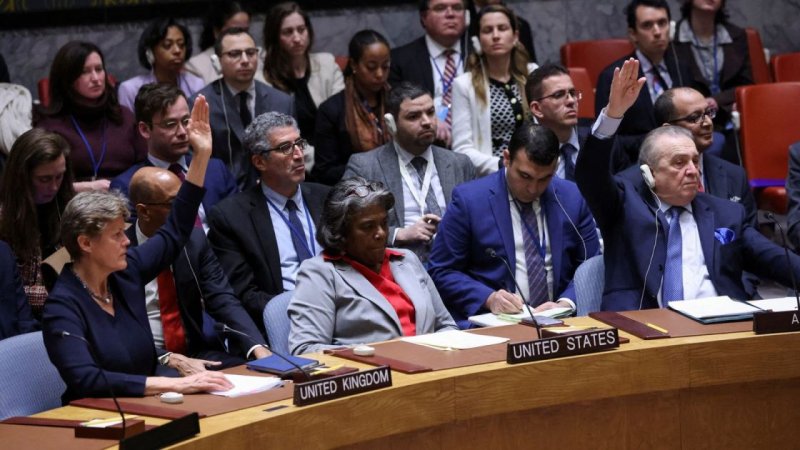
The UN Security Council adopted on March 25 UNSC Resolution 2728, in which it called for an immediate ceasefire in Gaza, which – as expected – the Zionist entity ignored and continued its aggression.
“Early Recovery”: A Sanctions’ Dangled Carrot… More Importantly: One of the “Step for Step” Tools!
Written by Kassioun Research Unit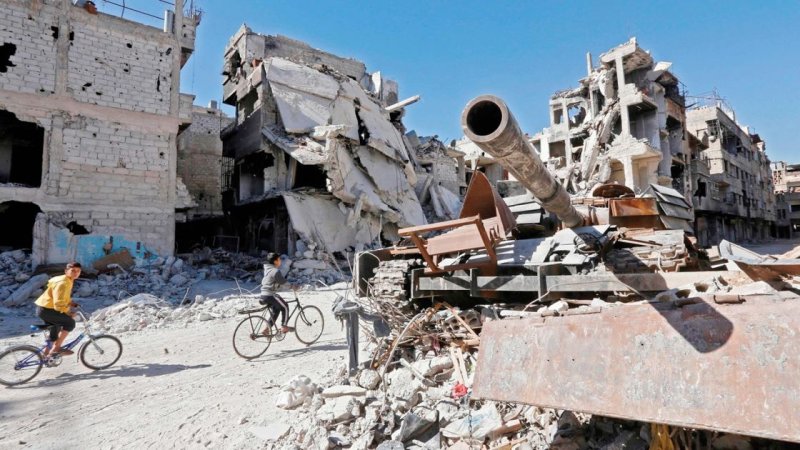
Day after day, the different elements of the “step for step” puzzle are becoming clearer. This puzzle includes many integrated elements, including, among other things: “changing the regime’s behavior”, “sanctions”, “early recovery”, “decentralization and autonomous governance”, “administrative reforms”, “safe and neutral environment”.
Waiting for International Consensus… and Let the Country and its People Go to Hell!
Written by Kassioun Research Unit
“The Syrian crisis will not be resolved until there is international consensus on the solution, and specifically American-Russian consensus”.
This saying has been spreading widely within Syrian politicians on both sides of the fence, and to some extent among the general public.
Perhaps the most dangerous thing in the matter is that this “saying” is being presented as an axiom, and as an absolute, simple, and inevitable truth, and there is no need to discuss its validity at all.
On its Face, it is “Anti-Normalization”; in Essence, it is Extending the Sanctions and the Crisis Until 2032!
kassioun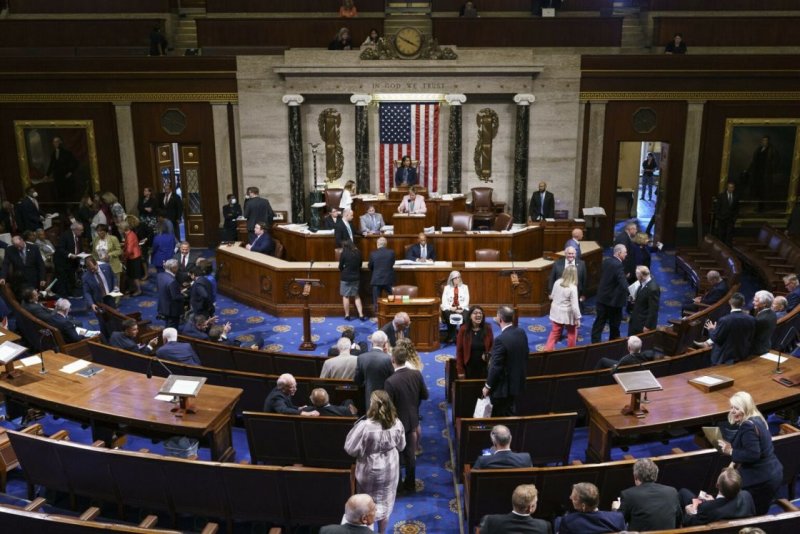
Nearly 10 days ago, on February 14, the US House of Representatives passed a bill entitled the “Assad Regime Anti-Normalization Act”. The bill still needs to pass the US Senate and get signed by the US President to become a law, which is expected to happen this year.
From “Changing the Regime’s Behavior” to “Step for Step”, Where Are the Under-the-Table Agreements with the West Today?
Written by Kassioun Research Unit
Some believe that the so-called “Step for Step” (S4S) project, which De Mistura launched in 2017 (through his plan that did not see the light at the time and was called the “Pre-Transitional Phase”) and which Pedersen continues to work on under its current name, has reached a dead end and has been put away.
It’s not about Kevin, but Rather about Robbing the Syrians in the Context of “Defending Them”
Reem Issa
In the beginning of this year, a US federal court ordered a judgment in the amount of $50 million compensation for an American journalist, in a suit he filed against the Syrian regime for “detaining and torturing him from October 2012 until April 2016”.
The journalist, Kevin Dawes, had crossed into Syria via Turkey in early October 2012, in his capacity as a photojournalist to cover events in Syria, as he claims. Dawes was released through Russian intermediation, and the US State Department spokesman at the time thanked the Russian government for its efforts in this regard.
It is worth noting that, according to several reports, several Americans have been detained in Syria since 2011. They were present in the country as journalists, but Dawes was one of the few whom the US government worked diligently to release, which raises the question about what makes his release so important. This is a question outside the scope of this article, but it is important to keep it in mind.
Dawes had filed a lawsuit against the Syrian government in October 2021 with the help of the so-called “Syrian Emergency Task Force”, claiming that he had gone to Syria “hoping to provide medicine to civilians and cover their plight”. According to US legal and media sources, Dawes can receive compensation from the so-called “Victims of Terrorism Fund”.
Why South Africa? What is the Legal Path of the Case? Why Did “Israel” Comply and Appear in Court?
Written by Kassioun Research Unit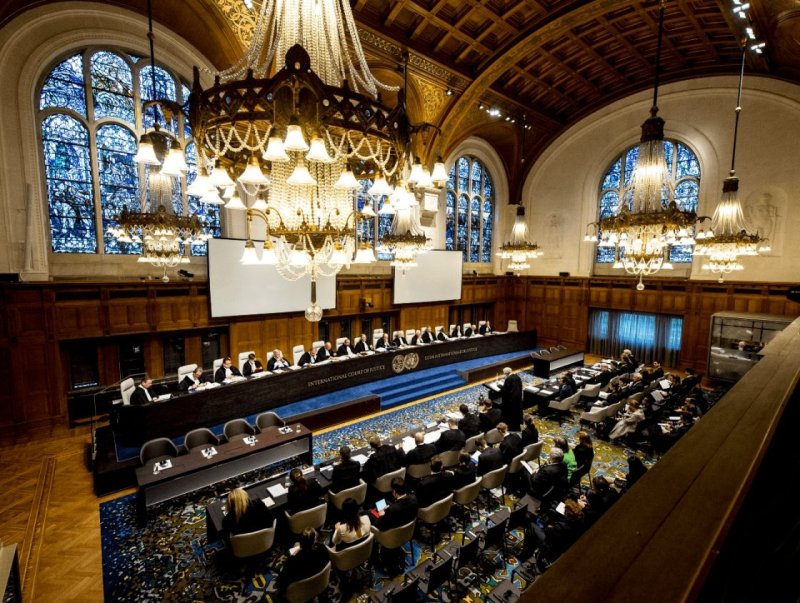
Last Thursday, January 11, the International Court of Justice (ICJ) began looking into the case filed by South Africa on December 29, 2023, in which it accused “Israel” of committing the crime of “genocide” against Palestinians in the Gaza Strip, on the basis of “Israel’s” violation of its obligations under the Convention on the Prevention and Punishment of the Crime of Genocide (the Genocide Convention), based on both parties being signatories to the Genocide Convention. This is the first time that a case has been filed against the Zionist entity in the ICJ. However, in 2004 the ICJ considered a request for an advisory opinion related to the Zionist entity, specifically regarding the separation wall that it built in the occupied West Bank, which the ICJ concluded was illegal. There is also before the ICJ a request for another advisory opinion – on which a decision has not yet been issued –referred by the UN General Assembly at the end of 2022 on the legal consequences of “the Israeli occupation, settlement, and annexation”.
Many media, political, and human rights organizations covered the sessions in which the two parties presented their case. A lot of general information was circulated about the ICJ, the Genocide Convention, and what has been happening in Gaza since last October 7. We will not cover this type of information here, but we will try to answer some basic questions briefly, each of which can be expanded upon in later articles.
Is Europe the Main Goal behind the Anglo-Saxon Aggression on Yemen?
Written by Mohannad Dlykan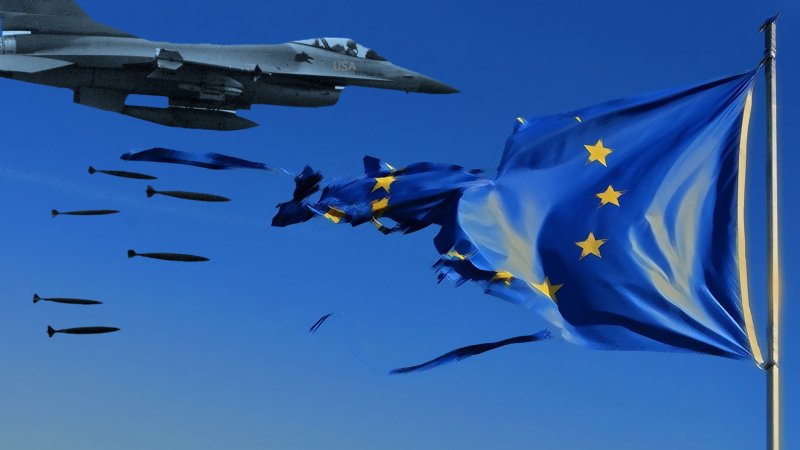
The US, along with the UK, are launching a military aggression against Yemen. The stated goal is to “protect navigation in the Red Sea from Houthi attacks”. There are those who say that among the goals is also to reduce pressure on the Zionist entity, especially with regard to its foreign trade, which has been damaged by Yemeni activity in the Red Sea.
More...
“Prisoners of War” and “Hostages” within the Framework of the Media War and International Law
Written by Kassioun Research Unit
Since Saturday, October 7, the day Al-Aqsa Flood operation was launched, there has been increasing focus on the “Israelis” held by the resistance in Gaza. They have been called different names depending on the media and political sides covering and commenting on events.
How China's modernisation supports a Global Community of Shared Future
David Ferguson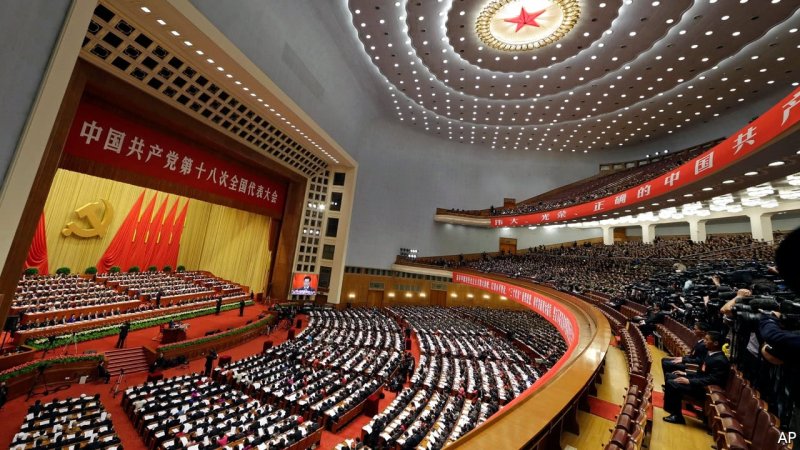
There are few examples of poor and underdeveloped countries that adopted the Western political model and went on to become successful and prosperous as a result, and plenty of examples of countries that did not.
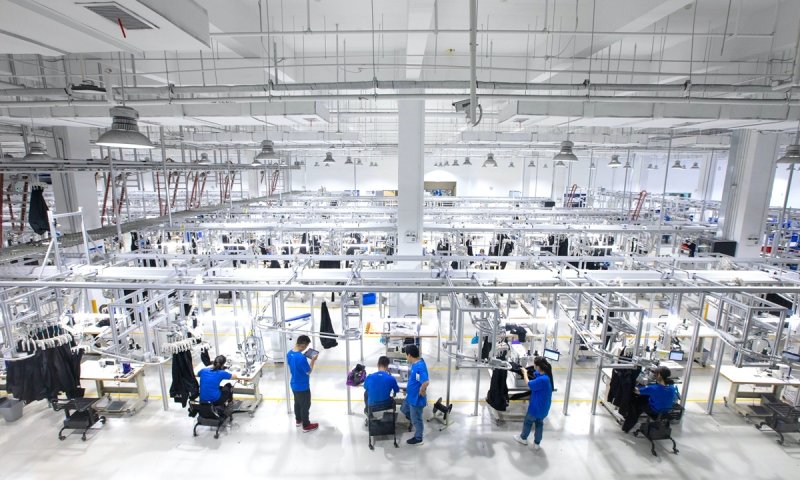
China has a long history that stretches for thousands of years. At the beginning of the 19th century, China's GDP ranked first in the world. However, by the end of the Qing Dynasty, the country was closed to the world and foreign powers invaded, resulting in a sluggish Chinese economy. Before the reform and opening-up in the 1970s, China was still a poor country with a GDP that only accounted for 1.5 percent of the world.
Former Philippine president: Rather than competitor, China is a donor of capital
Gloria Macapagal Arroyo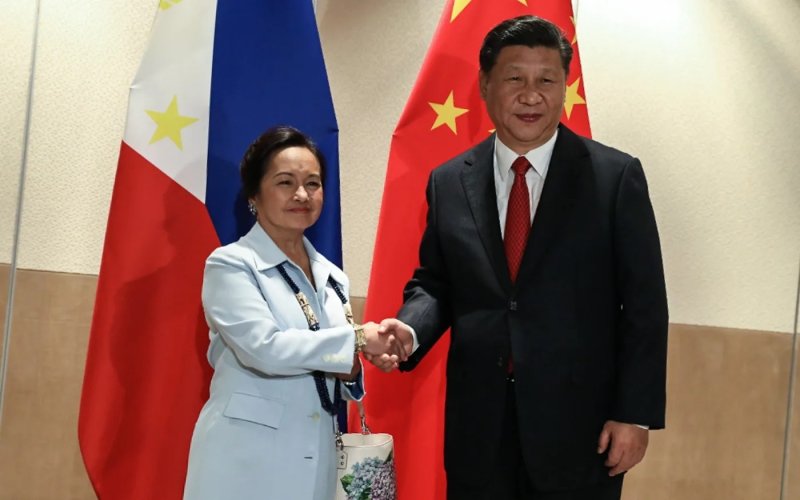
I am privileged to have been able to observe China's growth from before its 1978 reforms until today. I first visited China with a Philippines-China friendship group in 1977, and then with my father, the late President Diosdado Macapagal in December 1978, just before China embarked on its reform and opening. Between those two first trips of mine to China, at the National Conference on Science, Deng Xiaoping declared that the key to the four modernizations is the modernization of science and technology.