kassioun
email This email address is being protected from spambots. You need JavaScript enabled to view it.
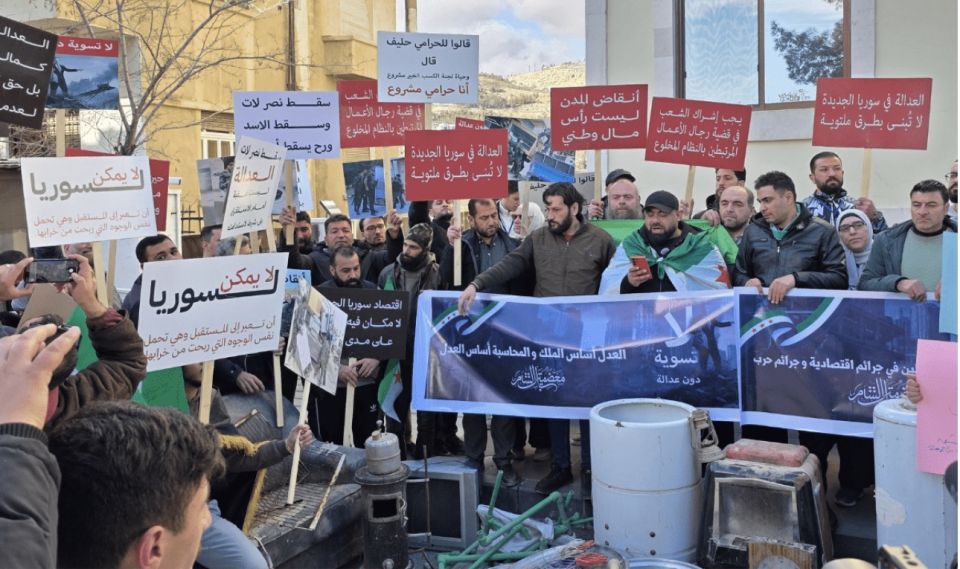
A campaign that recently began against one of the leading corruption figures of the former regime has attracted a significant degree of sympathy and solidarity from broad segments of Syrians. It has drawn attention not only to the targeted individual, but also to a broader phenomenon concerning the system of grand corruption as a whole—both old and new—and the extent to which it affects the possibility of the country emerging from its deep crisis.
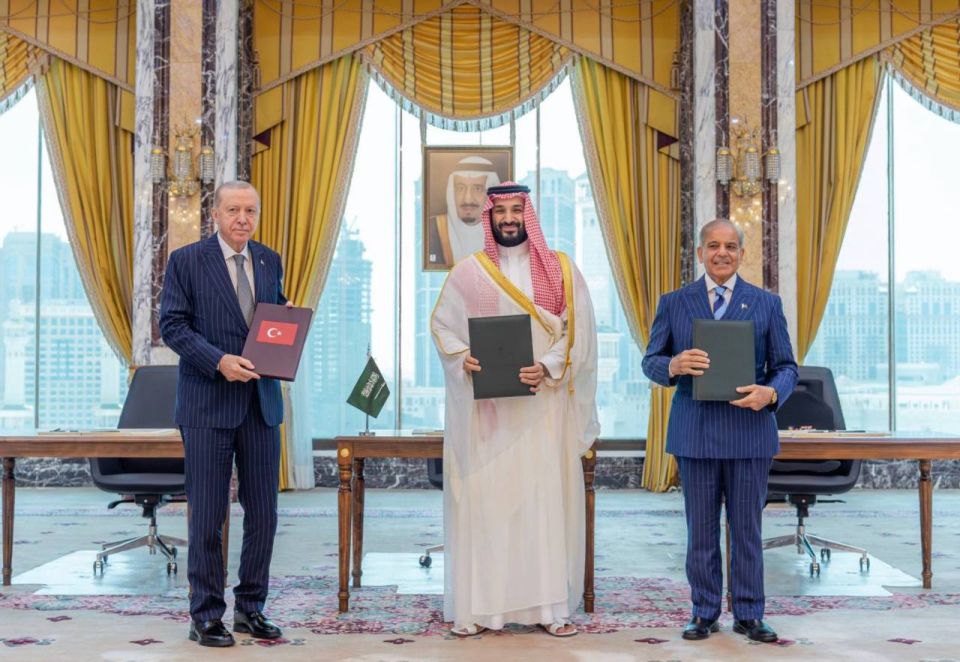
These days, the Western media machine, particularly its Zionist wing, is attempting to weave all kinds of myths around the new alliance among Saudi Arabia, Pakistan, and Turkey, whose treaty was signed on Friday, 7 August 2026, in Mecca.
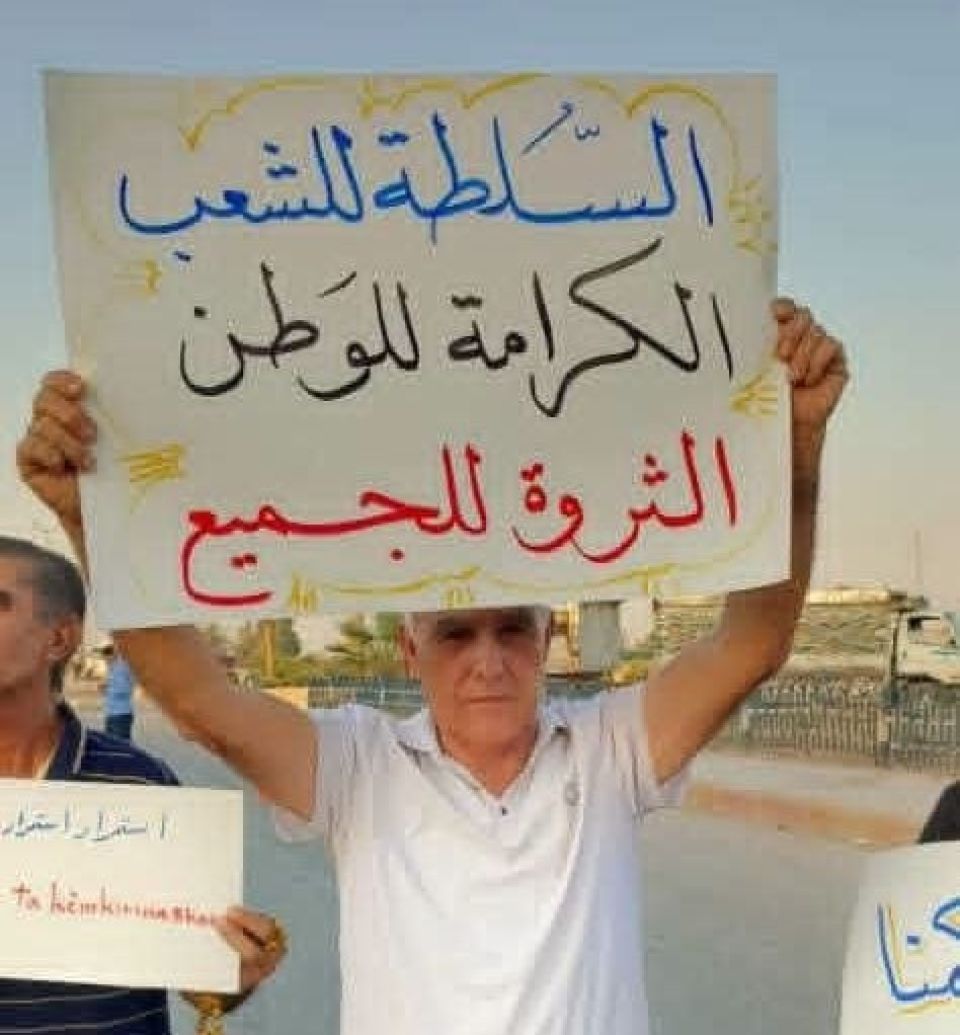
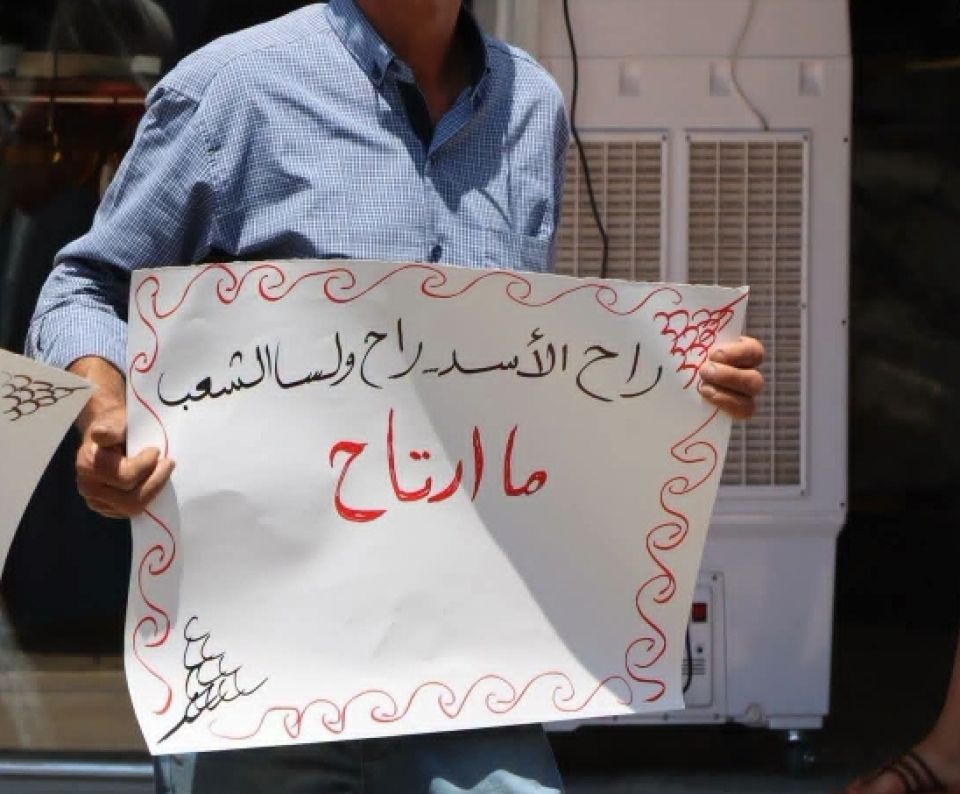
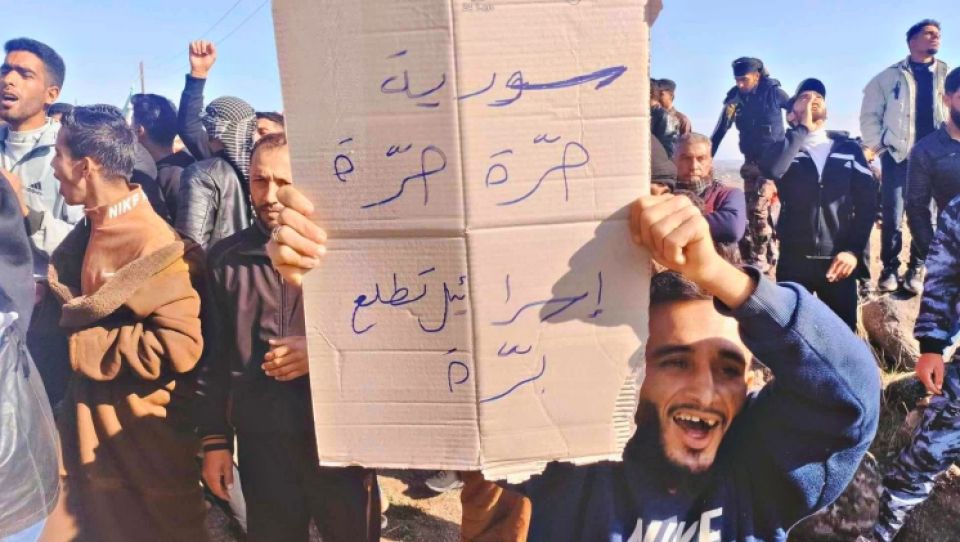
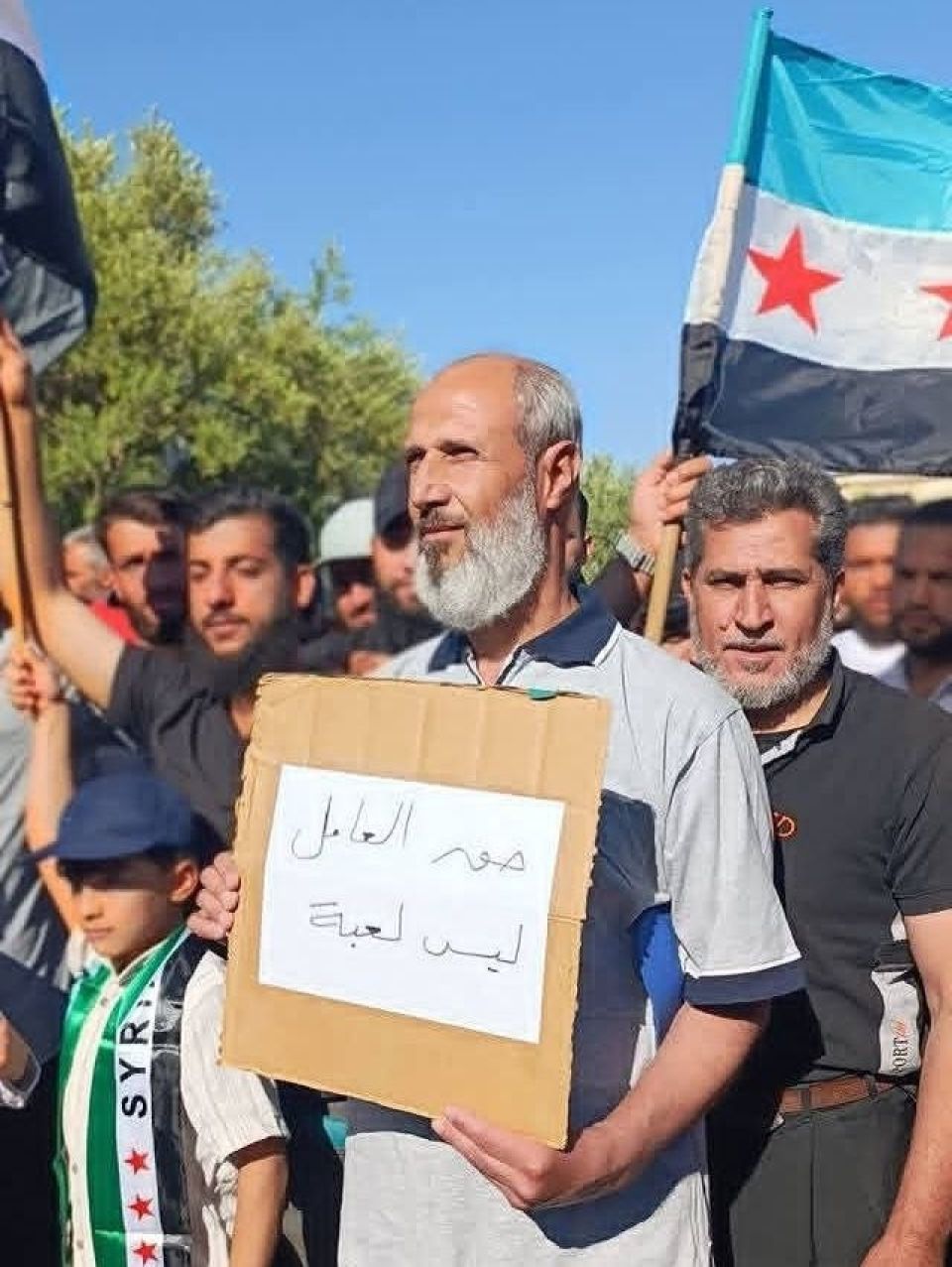
Kassioun has documented more than 250 protest actions—sit-ins, strikes, demonstrations, and others—over the past three months. These took place in nearly all Syrian governorates and were overwhelmingly driven by socioeconomic demands directly connected to Syrians’ living conditions and the hardships they face.
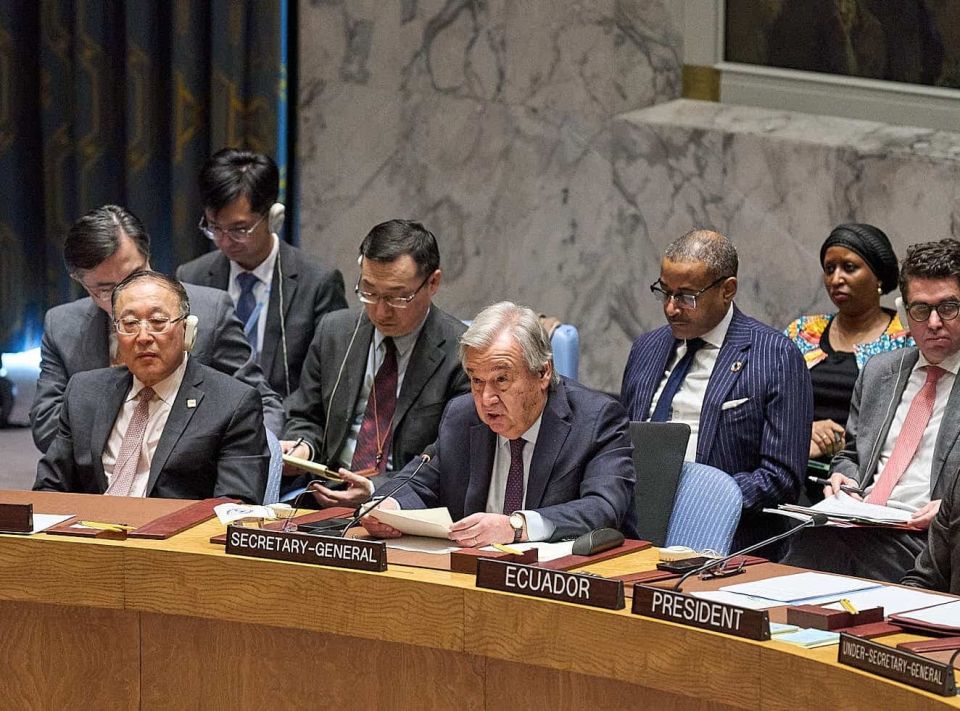
The visit by UN Secretary-General, António Guterres, to Syria, which began on Saturday, 25 July 2026, carries particular significance in terms of both its timing and its implications.
With the first session of the new “People’s Assembly” now convened, it has become both urgent and necessary to start thinking about the next People’s Assembly: its actual role and functions, and the legal and political environment within which it will be elected. That environment will determine, to a large extent, its ability to carry out those roles and responsibilities.
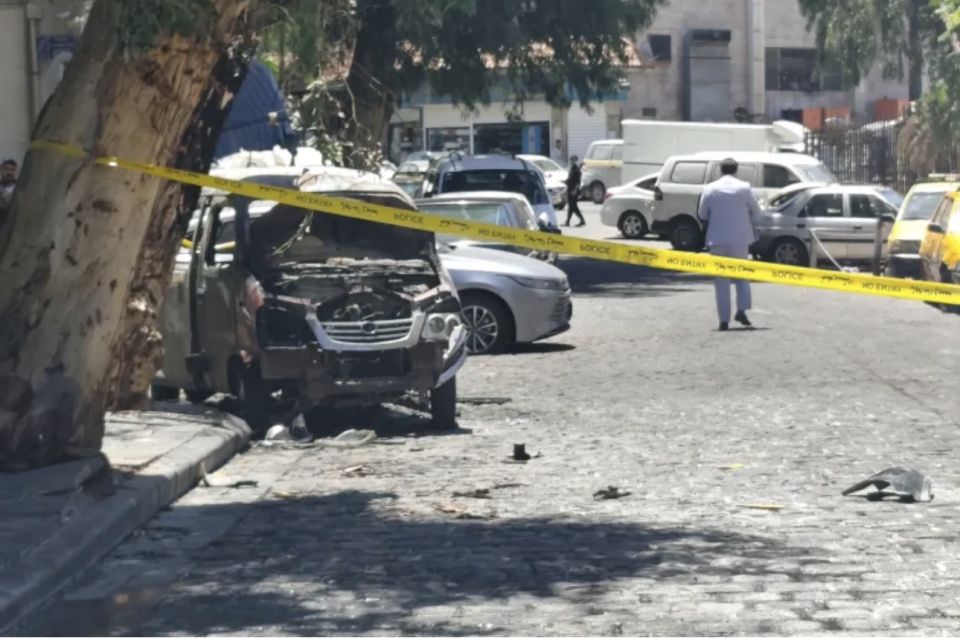
Some are attempting to downplay what has taken place over the past two weeks, whether regarding the bombings, the gasoline crisis, or the many other scattered economic, security, and political incidents.
“After the fall of the former regime, the level of satisfaction with the new situation was higher than the level of dissatisfaction and concern regarding the country’s economic and social conditions. However, one year after the regime’s fall, dissatisfaction with the domestic situation began to increase. The real danger will arise when the level of dissatisfaction exceeds the level of satisfaction over the fall of the previous regime. The degree of public dissatisfaction with living conditions is steadily rising. While this dissatisfaction reflects a certain level of resentment, that resentment has now reached a level of social mobilization”.
The fate of Syria—as a people, a state, and as political forces in different places—depends on what we do in the coming weeks and months, and on how quickly we act. It also depends on the rapidly unfolding international and regional developments. These are major and turbulent transformations that must be understood well, and we must act based on that understanding.
The country is experiencing a persistent deadlock on every level, particularly in the socioeconomic and living conditions of its people, alongside manufactured security and social tensions that increasingly threaten civil peace. All of this is unfolding amid major shifts in the regional balance of power as well as at the international level.
The scope of protest activity among Syrian farmers and workers is expanding daily across the country. They are demanding their right to a dignified life; the right to wages sufficient to secure housing, feed their children, provide them with education and healthcare; and the right to be treated in a humane and respectful manner, whether by employers or by state institutions.