| kassioun | Editorials

Kassioun Editorial 1304: The Horizons Are Open, and There Is No Room for Despair

What happened in Syria two years ago, with the fall of the Assad regime, was the first phase in the process towards radical and comprehensive change. The second phase is yet to come, and the conditions for it are gradually maturing. On the day of Bashar al-Assad’s collapse, a statement issued by the People’s Will Party included the following: “Experiences from different peoples around the world…
| kassioun | Editorials
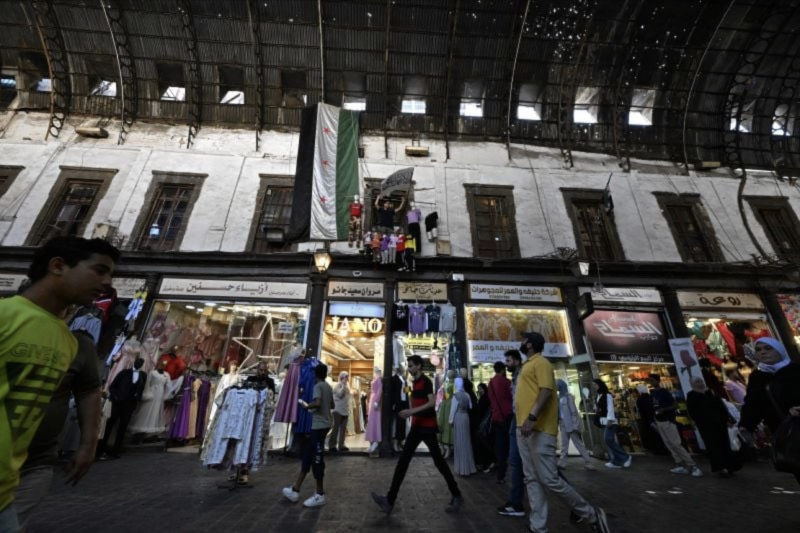
The problem with those who considered Barrack’s latest statements “shocking” is that they had believed his repeated earlier statements over…
| kassioun | Editorials
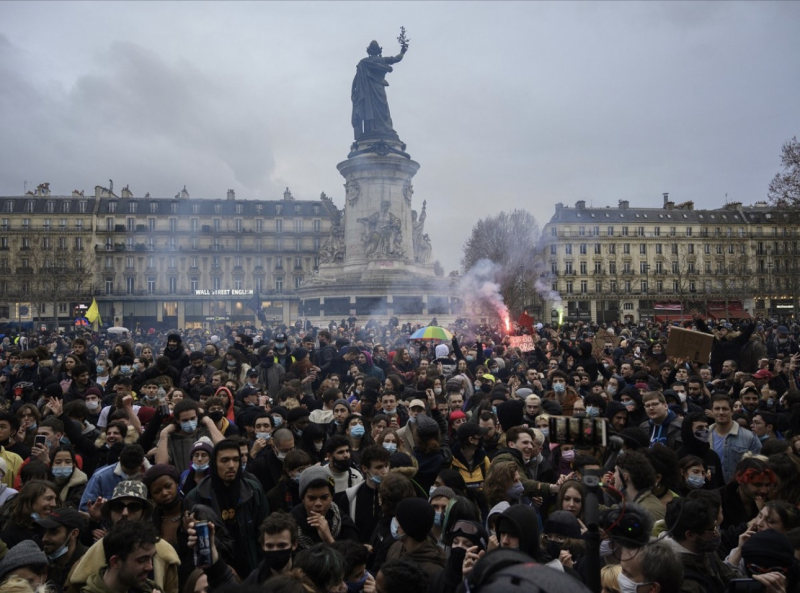
At the same time, over the past two weeks, the protest movement has spread to Belgium, Albania, Italy, and Portugal. There are clear indica…
| قاسيون | سياسة
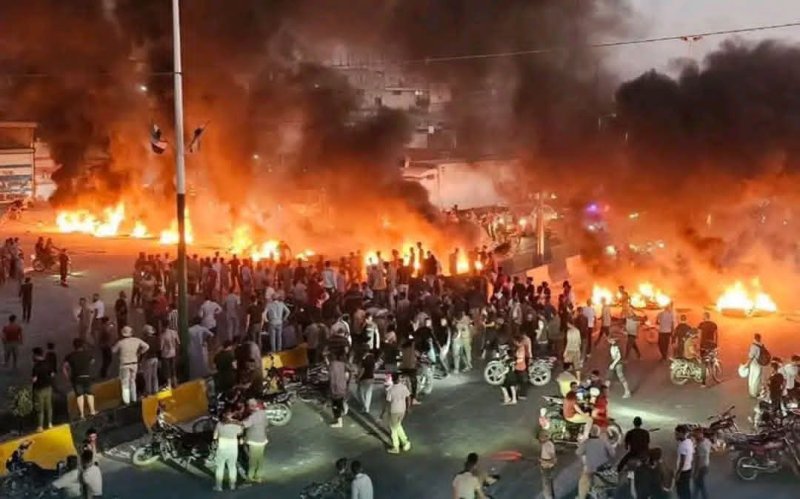
Whether we are talking about the Strait of Hormuz and the war against Iran, the renewed and escalating war against and within Yemen, or the…

Oct 4, 2026
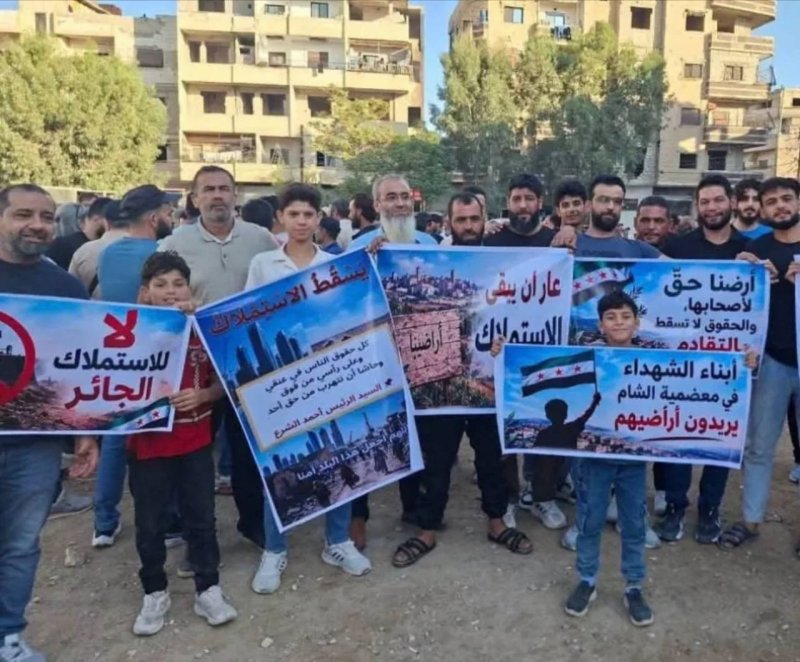
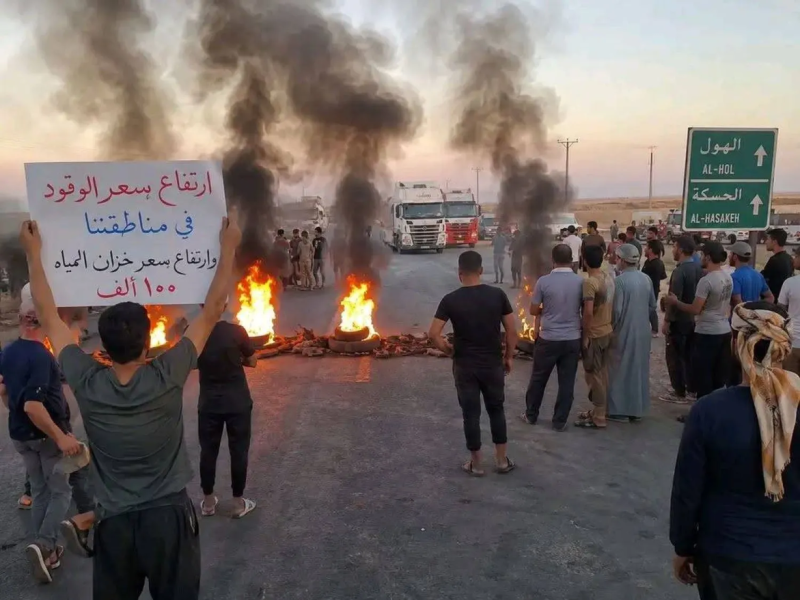
The previous Kassioun issue’s editorial, “Thieves… Thieves”, shed some light on the general characteristics and features of the Syrian popular movement in its current phase, including its peaceful nature, learning from past experiences, rationality and higher degree of organization, and continued search for genuine leadership, primarily from within its own ranks. This movement is continuing to g…

Sep 27, 2026
First: It is a peaceful movement that has learned from the lessons of the past. It therefore categorically and unequivocally rejects violence in all its forms. Second: It is a movement with a clear class-based foundation. It represents the pains and aspirations of 90% of Syrians—those “at the bottom”, the “destitute” impoverished and dispossessed—in confrontation with the plunderers and thieves…

Sep 13, 2026
According to the data available during the same period in which the government made this decision, the average increase in global oil prices did not exceed 9%. Meanwhile, neighboring countries—Turkey, Iraq, and Jordan—kept their fuel prices unchanged, while the increase in Lebanon was limited to an average of no more than 2.8%. So how can the outcome in Syria be an increase of up to 40%? What is…