مواضيع ومقالات حول #Syrian Economic Crisis
| kassioun | Editorials
Kassioun Editorial 1294: Stop Assad’s Legacy in the Expropriation Issue!
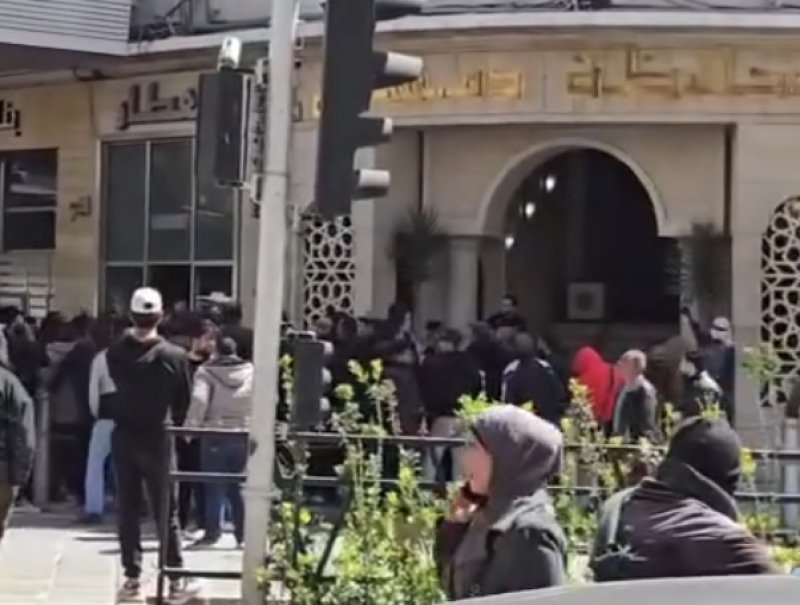
In principle, expropriation is a right granted by law to the state to take private property for the purpose of implementing a project that serves the public interest, in return for compensation to its owners. However, what happened in Syria is that expropriations were transformed into a means through which the state could seize citizens’ properties, while many projects remained suspended for year…
| kassioun | Editorials
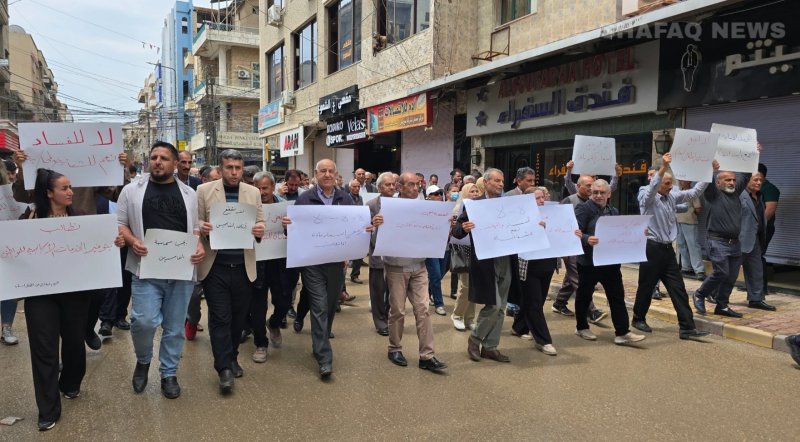
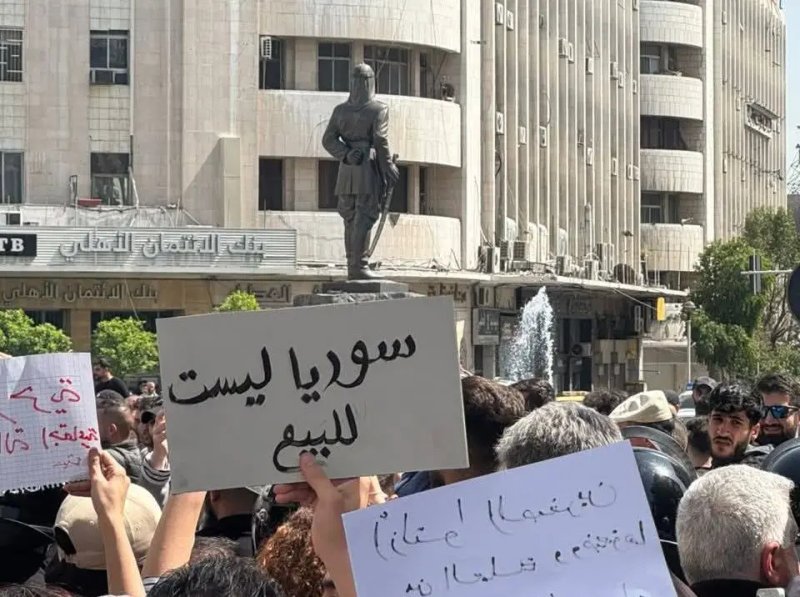
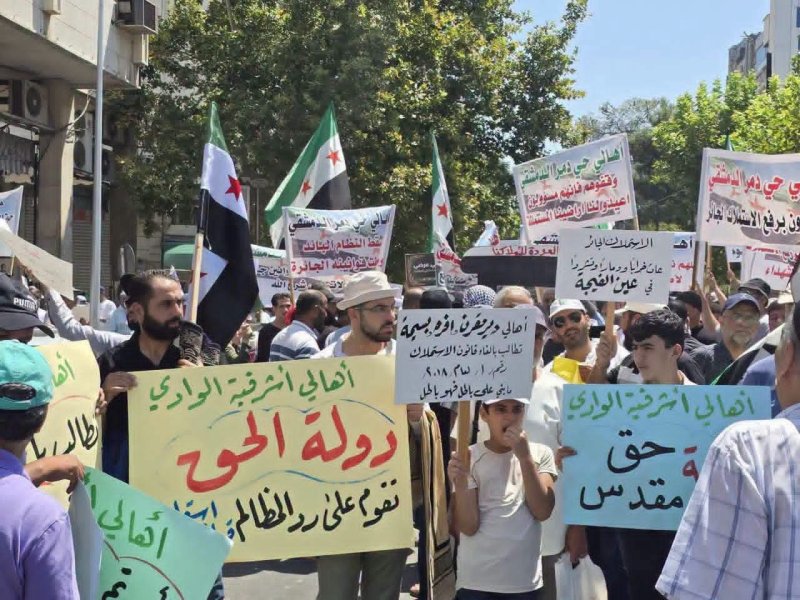
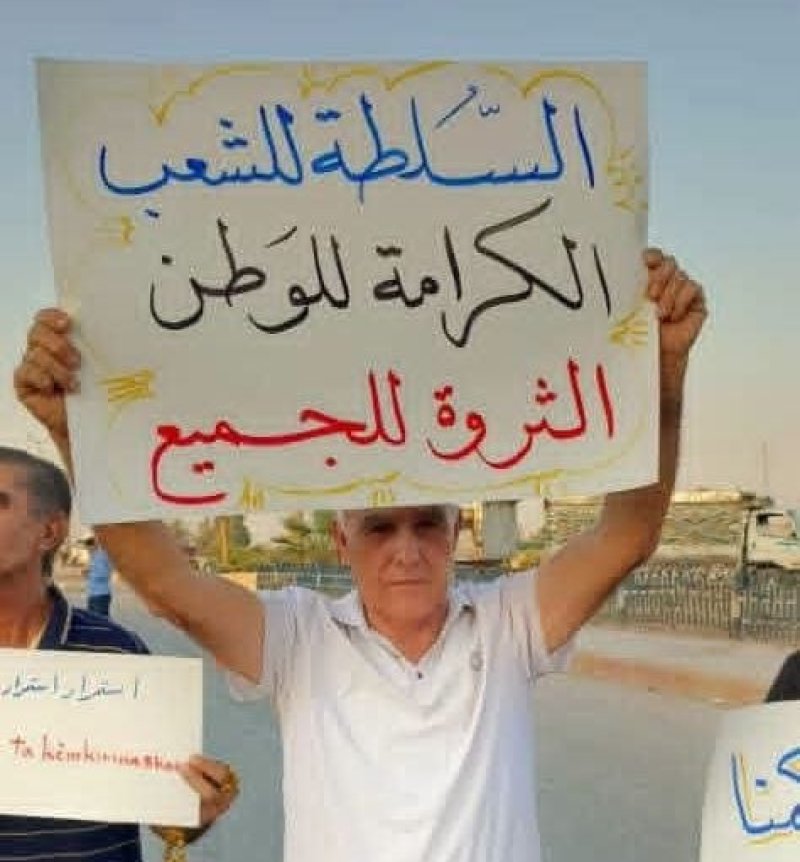
Kassioun Editorial 1289: How Should the Protest Movement Be Engaged?!
Various sources had previously documented up to 80 protest actions during the months of February, March, and April. This indicates, at leas…
| kassioun | Editorials
Kassioun Editorial 1287: The Electoral System is The Cornerstone
The essential functions of the desired People’s Assembly are as follows:
1- To genuinely serve as the assembly of the Syrian people—that i…
| kassioun | Editorials
Kassioun Editorial 1281: At a Critical Crossroads to Save the Country
We say that Syrians have a rare opportunity for a fundamental turning point because of an almost unprecedented convergence of specific e…
Syrian Economic Crisis
May 24, 2026
Kassioun Editorial 1279: “I Am the People; I Am Moving Forward and I Know My Way!”
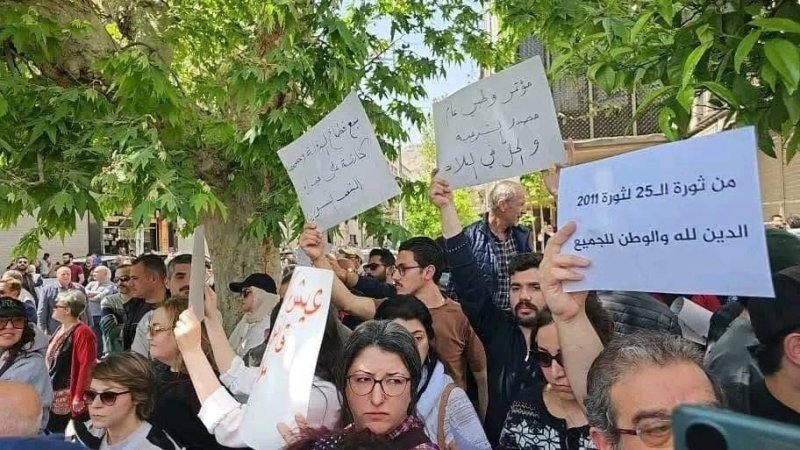
This new wave of popular movement has a number of qualitative characteristics, the most important of which are:
First: It is an authentic movement arising from the direct living needs of Syrians. It is far removed from external interventions, precisely because it stems directly from people’s needs, on the one hand; and on the other, it has learned from previous experiences not to trust external…
May 17, 2026
Kassioun Editorial 1278: The Priority of the Economy: Tourist Grandeur or Combatting Poverty?
An economy that does not serve the people — the general public, not just the privileged — is not a national economy. Rather, it is a threat to the country’s national security, unity, and civil peace. Therefore, any discussion about the economy, investment, and projects must begin with a clear answer to a clear question:
What are the socioeconomic priorities of the Syrian people?
First: Addressi…
May 10, 2026
Kassioun Editorial 1277: Like the Pupil of the Eye, We Must Protect the Syrians’ Movement
The political report (in Arabic) presented at the second meeting of the Central Council of the People’s Will Party on 12 April 2026, stated that: “The level of dissatisfaction within society regarding living conditions has been steadily increasing. While this dissatisfaction reflects a certain degree of resentment, that degree has now reached a level of activity within society … leading to an inc…
May 3, 2026
Kassioun Editorial 1276: The Syrian People Are One, and “As for the Scum, It Vanishes Worthlessly”!
Calls for sedition and incitement have gone so far as to attack the slogan for which Syrians shed precious blood while carrying it — “The Syrian people are one”. The slogan was even described as “the ugliest slogan”, by individuals who never left their platforms for years, remaining honored and protected, and unharmed by the collapsed former authority. Today, they are working to blow the country…
Apr 19, 2026
Kassioun Editorial 1274: The Success of the April 17th Protest is a Turning Point!
This is a milestone upon which more can be built, and it will provide a positive momentum for the struggles of Syrians, which are increasingly expressing themselves—primarily through their socioeconomic demands that affect the lives of 95% of Syrians: the impoverished and dispossessed who live below the poverty line. These people constitute the only real majority in Syria, spanning all ethnicitie…
Apr 12, 2026
Kassioun Editorial 1273: Regarding the Slogan “We Want to Eat… We Want to Live!”
The expansion of these socioeconomic struggles, both horizontally and vertically, is natural and expected given the catastrophic socioeconomic conditions experienced by the vast majority of Syrians. This is not only due to emerging regional developments, but also—more fundamentally—to the economic policies being implemented, which in essence represent a continuation of former policies that favor…